
VoIP and POTS conversion, without losing a single line
Copper phone lines are being retired. We move your voice services to modern VoIP and replace analog dependencies such as alarms, elevators and fax, with careful planning so critical lines keep working.
- Code-aware installation
- Documented closeout
- One accountable team
At a glance
- Hosted voice, SIP trunking or on-premises PBX
- POTS line audit and replacement plan
- Number porting management
- E911 compliance and dispatchable location
Lower, predictable cost
Retire copper lines and legacy PBX maintenance in favor of modern voice.
Nothing forgotten
A full line audit finds alarm, elevator and fax lines before cutover.
Compliant emergency calling
E911 is configured and tested for every location and extension.
A closer look at VoIP and POTS Conversion
Traditional copper lines are costly and are being phased out by carriers. Moving to VoIP reduces cost and adds flexibility, but it must be done carefully: network readiness, emergency calling, number porting and non-voice devices all need attention.
We inventory every line you have, design the replacement, prepare your network for voice and manage the cutover, so your phones, alarms, elevators, fax and door-entry devices keep working.
Industries we support

Best suited for
- Organizations still on copper POTS or aging PBX systems
- Multi-site businesses wanting one phone platform
- Property managers with elevator and alarm lines
- Teams moving to remote and hybrid work
Capabilities built around your environment
POTS line audit
Identify every analog line, including alarm, elevator, fax, fire panel and gate lines, and its replacement path.
VoIP system deployment
Hosted voice or SIP-based systems configured with call flows, auto attendants and voicemail.
Analog replacements
Cellular or IP communicators for alarms, elevators and other devices that depend on copper lines.
Number porting
We coordinate porting of your numbers, including timing and testing, to avoid service gaps.
Network readiness
Switch, Wi-Fi, PoE and QoS review so voice quality holds up under load.
Phones and endpoints
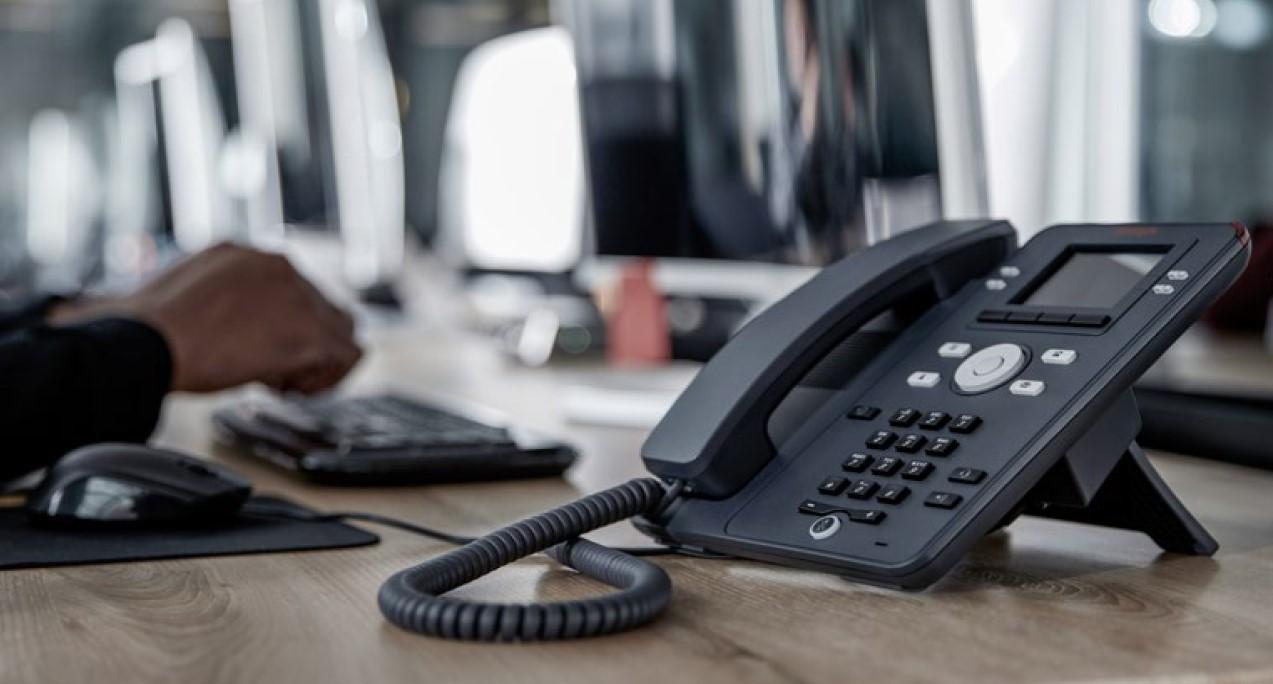
Desk phones, headsets, conference phones and softphones installed and tested.
Where clients usually start
Office PBX to cloud voice
Migrate users, numbers and call flows to hosted voice, with new phones or softphones.
POTS line replacement
Replace analog lines for alarms, elevators, fax and gates with supported alternatives.
Multi-site number porting and rollout
Plan and sequence porting and cutovers for many locations with minimal disruption.
Clear scope, no surprises
What we handle, and what we need from you to keep the project moving.
What is included
- Line inventory and usage review
- Network and internet readiness check
- Phone system and endpoint deployment
- Number port coordination
- Analog device replacement and testing
- E911 location configuration and testing
- User training and cutover support
What we need from you
- Recent phone bills and line lists, if available
- Call flow and user information
- Internet circuit details and network access
- Contacts for alarm, elevator and fire monitoring providers
What you receive at closeout
- POTS and number inventory
- Call flow and extension design
- Porting schedule
- E911 location records
- Cutover and test report
From first call to completed work
- 1
Audit
Identify every line, number and device that depends on voice service.
- 2
Design
Select the right service, plan call flows, and prepare the network and backup connectivity.
- 3
Prepare
Configure phones and users, order and port numbers, and replace analog devices.
- 4
Cut over
Switch services on an agreed schedule with testing and on-site support.
- 5
Optimize
Fine-tune call quality, train users and confirm emergency calling.
Local requirements, handled
California adds its own codes, licensing and compliance expectations. We plan for them from day one.
Emergency calling laws
Multi-line phone systems should support direct 911 dialing and dispatchable location under Kari’s Law and the RAY BAUM’S Act; we configure and test both.
Life-safety lines
Elevator and fire alarm lines are coordinated with your monitoring provider and local authority before cutover.
Copper retirement
Carriers are retiring legacy copper service, so we plan conversions ahead of disconnection notices.
Resilience
Backup internet and battery power keep critical calling available during outages, including planned utility power shutoffs.
Standards and references
Talk to a VoIP and POTS Conversion specialist
Tell us about your locations, timeline and goals. We’ll follow up with next steps and a scoped proposal.
- We review your request and any site details.
- We schedule a call or site visit.
- You receive a clear scope, timeline and price.